
Generative AI Meets Legacy: Transforming the Vehicle Development Process as Only Honda Can
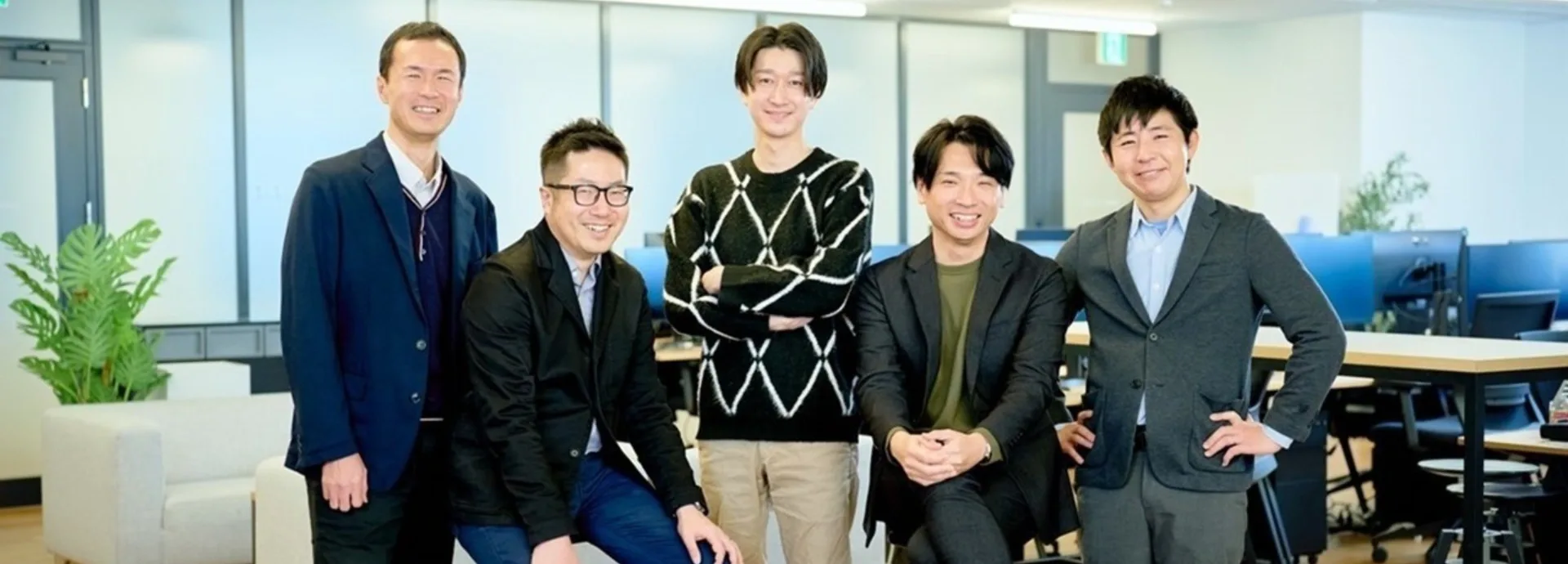
In recent years, the potential of generative AI has expanded into automotive development. At Honda, a new technology has been developed that generates 3D vehicle design shapes meeting pedestrian protection performance through dialogue with AI. Five members behind this project—recipient of the FY2025 President’s Award*—share the story of a challenge made possible only at Honda.
*The President’s Award is the highest honor among Honda’s internal awards, recognizing initiatives that deliver high technical value or new value and make a significant contribution to Honda’s business.
Streamlining discussions to balance pedestrian protection and design
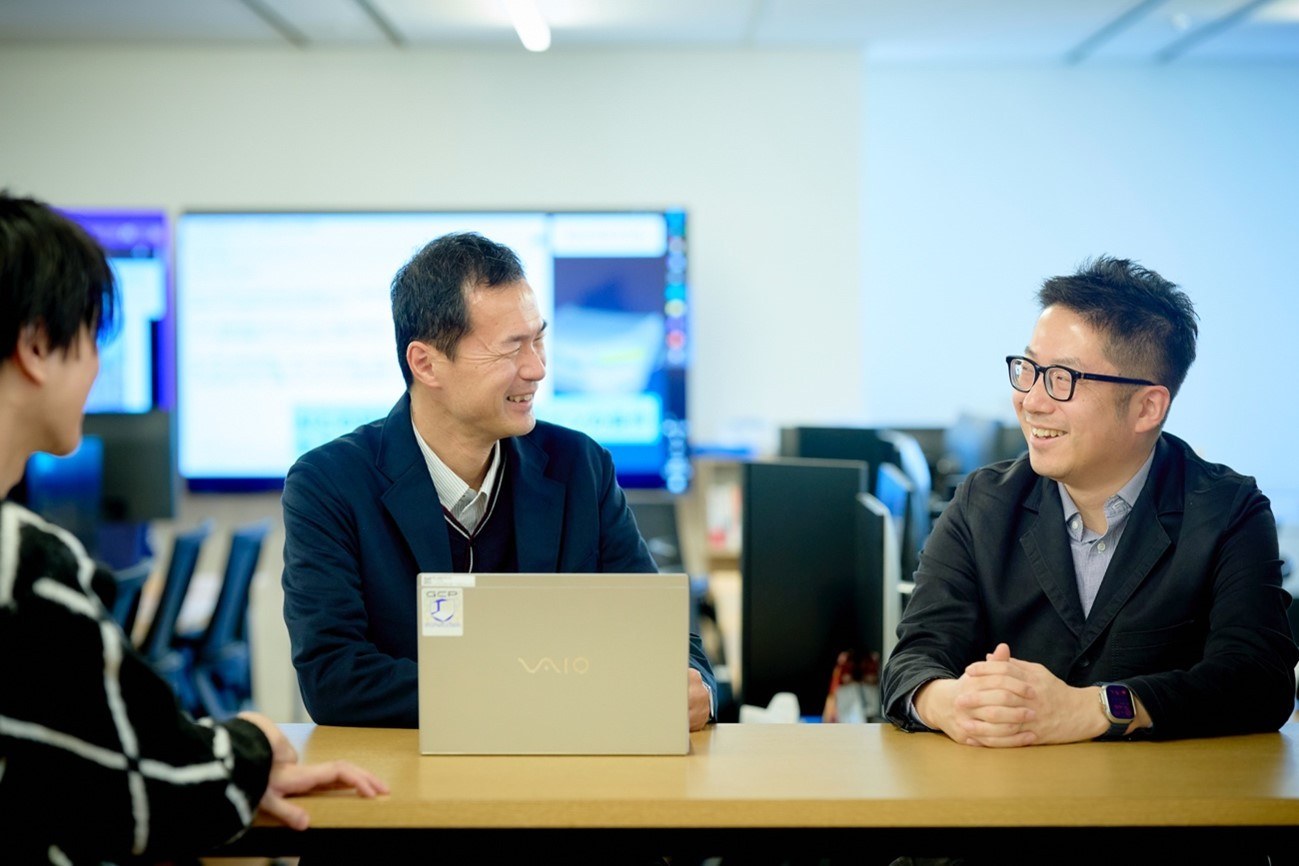
Nakagawa (left), who served as project leader (PL), and Ito (right), who supported the project overall.
—First, what was the technology developed in this project?
Nakagawa: We developed a technology that generates 3D vehicle design shapes meeting pedestrian protection performance through dialogue with AI. For example, when given instructions such as “Maintain the base design motif while meeting pedestrian protection requirements,” the AI proposes multiple design options that satisfy those conditions. This enables real-time discussions with designers and significantly improves the efficiency of the iterative alignment process required to finalize a design.
—What led to the launch of this project?
Sasaki: Honda is committed to “safety for everyone,” and we are developing vehicles that minimize impact on pedestrians in the event of a collision. From an engineering perspective, we aim to create front-end designs—such as bumpers and hoods—that are more forgiving to people.
At the same time, designers prioritize expressing the concept of the vehicle through design. Achieving both requires repeated discussions until an optimal solution is found.
Previously, once a design proposal was created, we would evaluate performance based on past knowhow and computer simulations, then propose modifications. However, this process required specialized expertise and time. That led us to consult Ito, who has deep knowledge of pedestrian protection and AI—marking the start of this project.
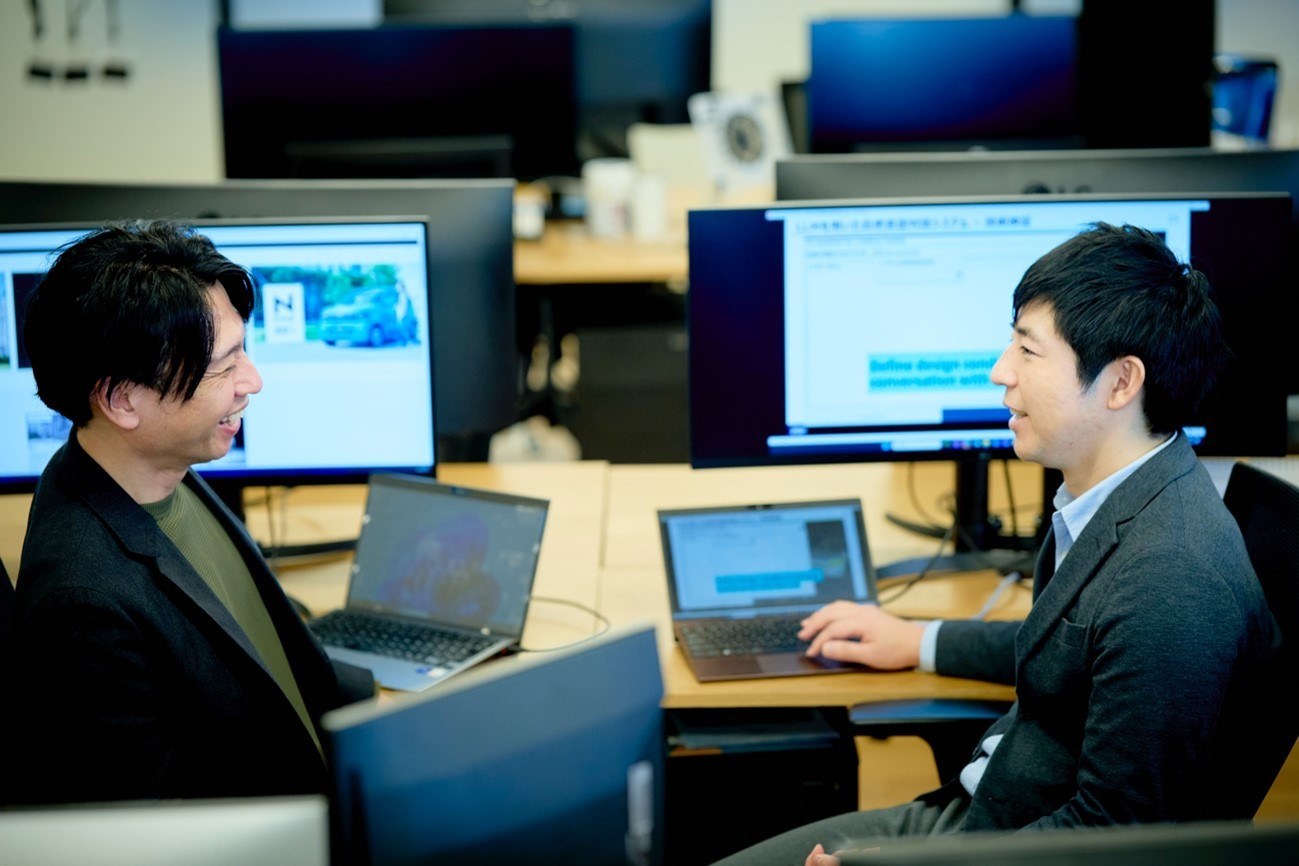
Sasaki (left), who initiated the project, and Saeki (right), who led the system's implementation and adoption in the field.
Ito: Even before generative AI gained attention, I had been developing AI tools to predict component performance. With that foundation, I felt from the beginning that combining it with current generative AI technologies would work.
Generative AI and conventional technologies: finding the right balance for real-world use
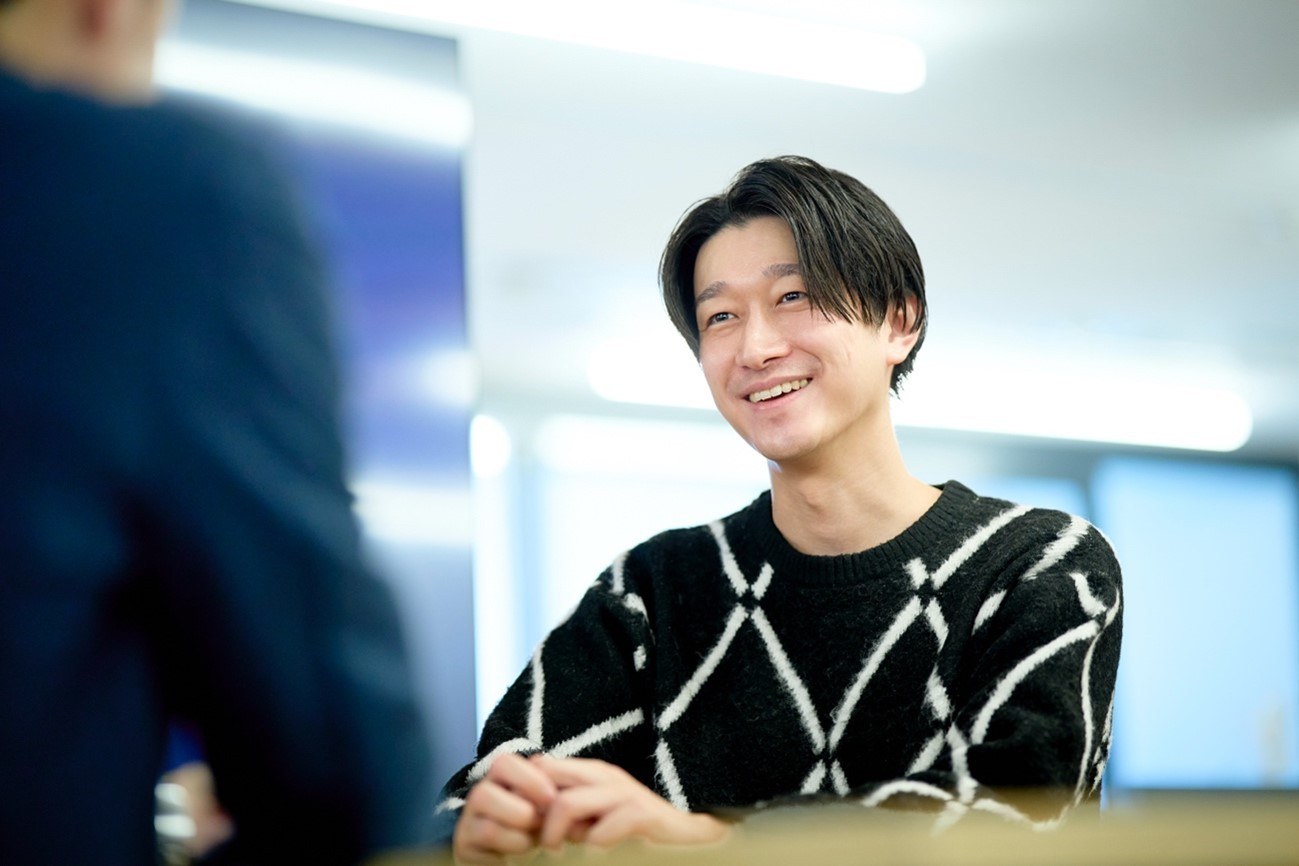
Katagiri, who was responsible for developing the implementation approach and building the system for this project.
—What were the key challenges in making this a reality?
Nakagawa: At first, we explored a broad research theme that included data accumulation and faster search capabilities. Looking back, it lacked focus.
After receiving repeated feedback from our superiors to clarify our purpose and goals, we refined the concept through discussions and ultimately arrived at Ito’s bold idea. While there were doubts about whether it was feasible, we gained approval and launched the project.
Katagiri: This technology consists of three main elements. First, a system that enables anyone to generate design and engineering ideas through natural language instructions. Second, a technology that instantly predicts pedestrian protection performance. Third, morphing technology to generate design shapes.
The biggest challenge was making it practical for real development environments. A technology being “advanced” or “interesting” is not enough. For example, morphing is not AI but a conventional technology. Current generative AI cannot handle millimeter-level adjustments required in development, which is why we combined generative AI with conventional technologies to make it usable in real-world development. Finding that balance was the most difficult part.
A practical tool made possible through close collaboration with the field
—What do you think made the project successful despite having no precedent?
Katagiri: It was the combination of everyone’s assets—Ito’s predictive AI expertise, Saeki and Sasaki’s on-site knowledge, and my experience with generative AI and morphing.
Also, while reporting to management was necessary, Nakagawa ensured smooth communication and understanding. AI specialists alone cannot fully grasp real needs. Working closely with the field was key to success.
Saeki: We refined the system by listening to designers and safety engineers—understanding how they view AI, their challenges, and what they find valuable. Katagiri’s own development experience made communication smooth.
—How did the field respond, and what changes did the project bring?
Saeki: I made a point of using the tool myself and demonstrating its efficiency. That led others to say, “I want to try it too,” and designers commented, “This achieved exactly what we were aiming for.”
Most importantly, a shared mindset emerged: “Let’s continue improving this together.” Seeing a culture of adopting AI tools begin to take shape was both surprising and rewarding.
Sasaki: This system is exactly what I had wanted. While I can identify inefficiencies in daily work, I cannot build AI tools myself. Working with specialists like Ito and Katagiri allowed us to deliver a solution that truly meets on-site needs.
Delivering better vehicles through technologies unique to Honda—
Through this project, what did you rediscover about working at Honda?
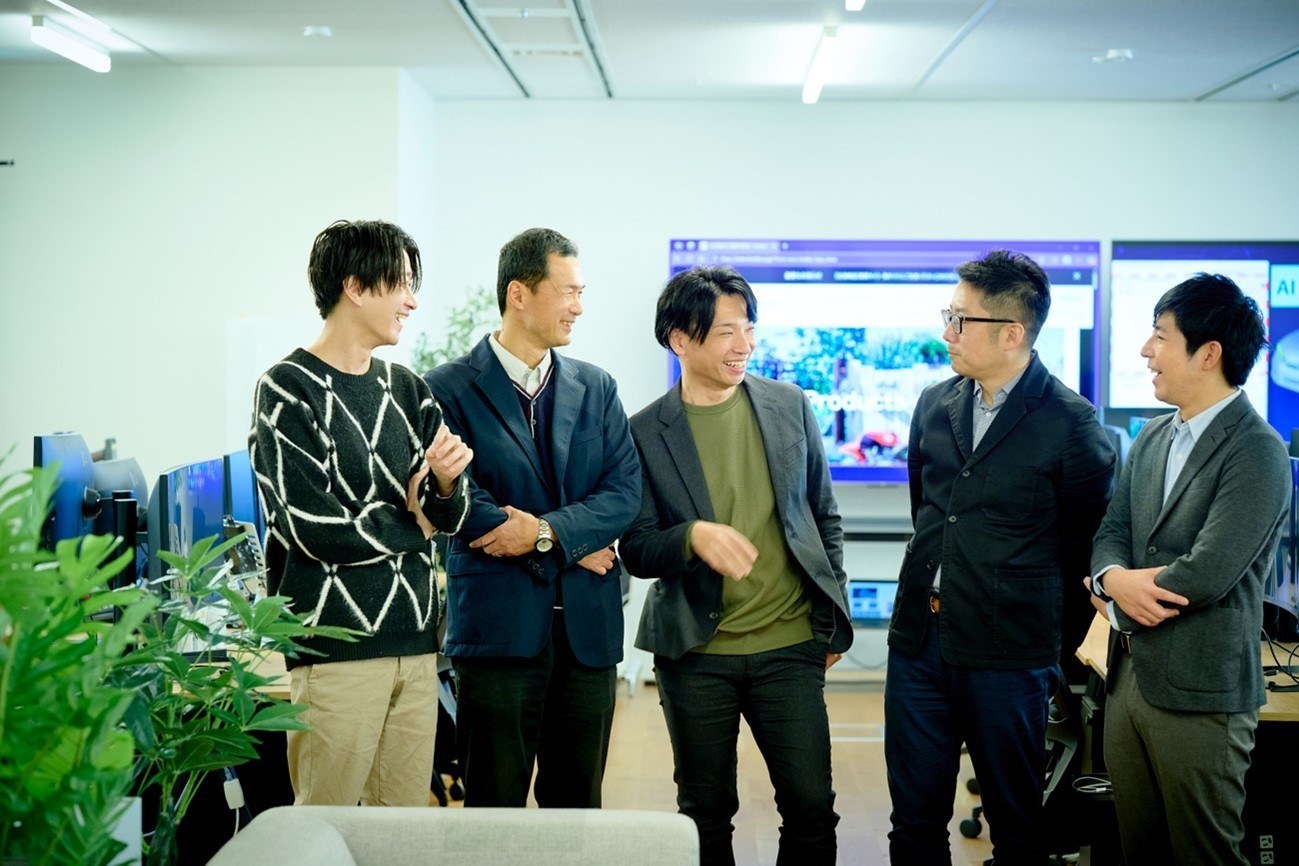
—Through this project, what did you rediscover about working at Honda?
Sasaki: The fact that a small team could win the President’s Award speaks to Honda’s strengths. If something is truly needed for customers, there is an environment that supports taking on challenges. It’s a place where you can deliver the value you believe in to society.
Ito: Having an environment where you can continue pursuing something you believe “must be done” is a unique strength.
Nakagawa: And once a proposal is approved, you are trusted to move forward. There is a real sense of ownership in deciding how to use resources and drive the project.
—Finally, what are your goals going forward?
Katagiri: Honda has a vast legacy of vehicle data and development expertise built over its history. This project was made possible by combining that legacy with hands-on experience—it’s not something big tech alone could create.
Going forward, we want to continue taking on challenges only Honda can achieve and feed those technologies back into our products to deliver better vehicles to our customers.